Posted on Leave a comment

Yanmar 3YM30 Marine Diesel Engine 29HP

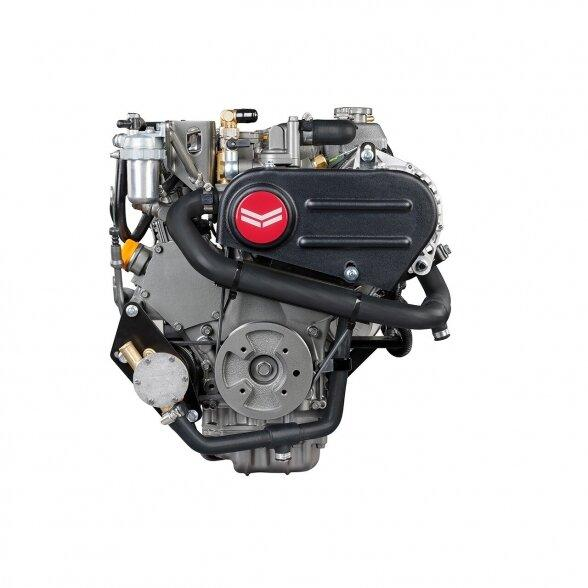
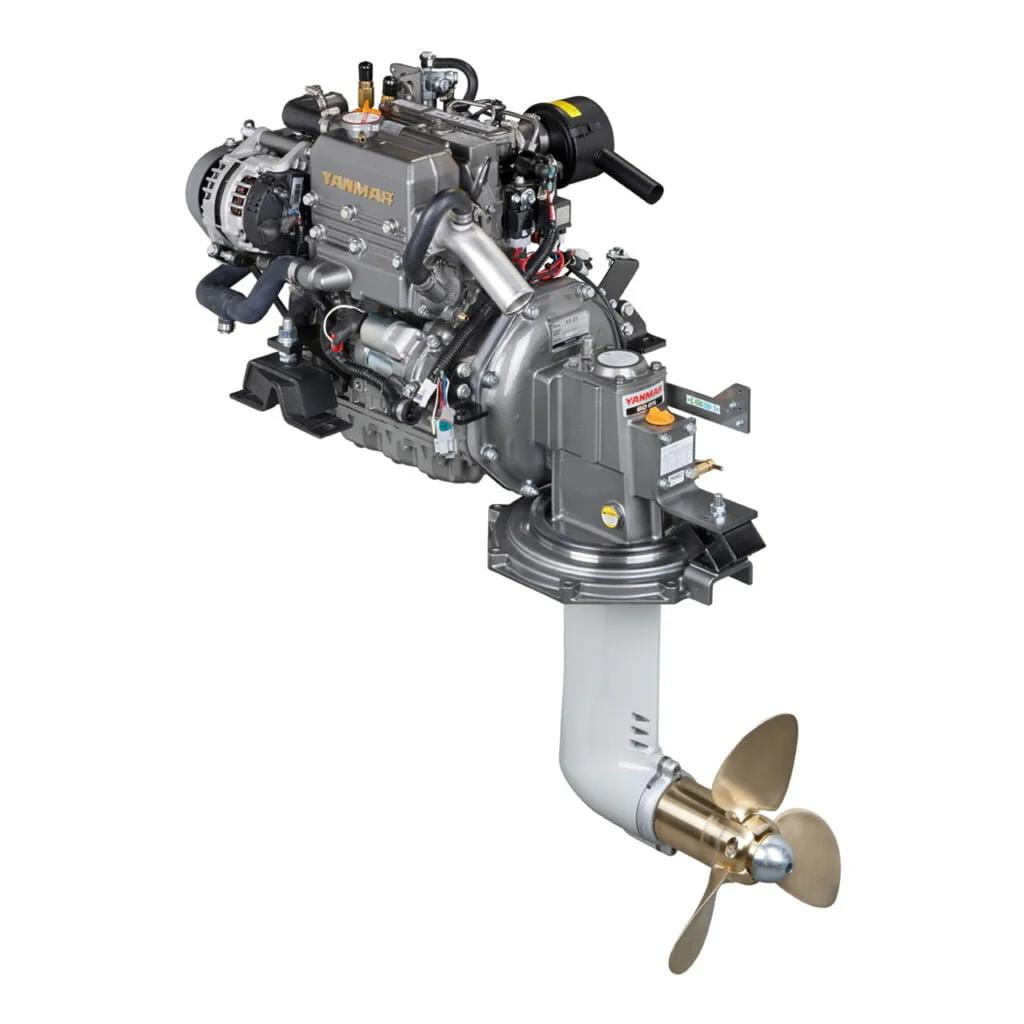
The Yanmar 3YM30 Marine Diesel Engine 29HP is a compact, naturally aspirated three-cylinder marine diesel engine designed for reliable propulsion in sailboats and pleasure craft. With a rated output of approximately 29.1 metric horsepower (21.3 kW) at 3,200 rpm, the 3YM30 combines compact dimensions, mechanical engine controls, efficient diesel operation and a fresh-water cooling system.

For boat owners looking for a dependable marine diesel engine in the approximately 30-horsepower class, the Yanmar 3YM30 is an important engine to consider. Its three-cylinder configuration and relatively compact installation footprint make it suitable for a wide range of smaller marine applications.

At Buchi Trading Boat Engines, we provide information and sourcing support for marine engines and related power solutions for customers in different markets.
Table of Contents

  1. What Is the Yanmar 3YM30 Marine Diesel Engine?
  2. Yanmar 3YM30 29HP Technical Specifications
  3. Engine Design and Construction
  4. Cooling and Fuel Systems
  5. Electrical System
  6. Marine Gear and Saildrive Compatibility
  7. Applications of the Yanmar 3YM30
  8. Advantages of the 3YM30 Marine Diesel Engine
  9. Installation Considerations
  10. Maintenance Requirements
  11. Yanmar 3YM30 Marine Diesel Engine for Sale
  12. Frequently Asked Questions
  13. Conclusion

What Is the Yanmar 3YM30 Marine Diesel Engine?

The Yanmar 3YM30 Marine Diesel Engine 29HP belongs to YANMAR’s YM series of mechanical marine diesel engines. YANMAR currently lists the 3YM30AE at 29.1 mhp, making it the highest-output model in the YM series, alongside the 2YM15 and 3YM20. The manufacturer describes the YM series as being developed for smaller sailboats and pleasure craft.

The engine uses a three-cylinder, four-stroke, vertical, water-cooled diesel configuration. It has a displacement of 1.266 litres, an 80 mm bore and 84 mm stroke, and naturally aspirated air intake.

Unlike modern electronically controlled common-rail engines, the 3YM30 uses a mechanical control system and an indirect-injection, in-line-pump combustion system. This straightforward configuration can be attractive for marine applications where dependable mechanical operation and serviceability are important considerations.

Yanmar 3YM30 29HP Technical Specifications

The following specifications are based on YANMAR’s published 3YM30AE documentation:

SpecificationYanmar 3YM30AE
Engine type4-stroke diesel
Cylinders3
Displacement1.266 L / 77 cu. in.
Maximum rated output21.3 kW / 29.1 mhp
Rated speed3,200 rpm
Bore80 mm
Stroke84 mm
AspirationNaturally aspirated
Fuel systemIndirect injection, in-line pump
CoolingFresh-water cooling with heat exchanger
Starting system12V electric
Alternator12V, 125A
ControlsMechanical
Dry weight without gear127 kg / 280 lb
DimensionsApproximately 715 × 485 × 545 mm
MountingFlexible mounting

YANMAR states that the 3YM30AE produces 21.3 kW or 29.1 mhp at 3,200 rpm. Its published dimensions are 715 mm long, 485 mm wide and 545 mm high, while dry weight without the marine gear is 127 kg.

It is important to distinguish metric horsepower (mhp) from brake horsepower (bhp). YANMAR’s published figure is 29.1 mhp, rather than simply treating the number as an identical 29.1 bhp figure.
Engine Design and Construction

The Yanmar 3YM30 features an inline three-cylinder, four-stroke diesel design. Its 1.266-litre displacement provides the foundation for the engine’s approximately 29-horsepower output.

The engine is naturally aspirated, meaning it does not require a turbocharger or supercharger to supply combustion air. The combustion system uses indirect injection with an in-line injection pump.

The mechanical design is particularly relevant to boat owners who prefer a conventional diesel propulsion system. Mechanical controls are used for engine management, and the engine is designed for flexible mounting in marine installations.

Cooling and Fuel Systems

Marine engines require effective cooling because they operate under load for extended periods. The 3YM30 uses a fresh-water cooling system with a heat exchanger, according to YANMAR’s published specifications.

The heat-exchanger arrangement helps separate the engine’s internal coolant circuit from the seawater cooling circuit. Proper maintenance of coolant, seawater flow, hoses, filters, belts and heat-exchanger components is therefore important for reliable operation.

The fuel system uses indirect injection and an in-line pump. As with any marine diesel, clean fuel and appropriate filtration are important for protecting the injection system and maintaining consistent engine performance.

Electrical System

The Yanmar 3YM30AE uses a 12-volt electrical starting system and is listed with a 12V 125A alternator.

The relatively substantial alternator output can support onboard electrical requirements depending on the complete boat installation and electrical load. Battery condition, cabling, terminals and charging connections should nevertheless be checked regularly.

The standard engine package also includes a B20 panel, flexible mounts, an expansion tank for the fresh-water cooling system, an electric stop solenoid and a belt safety cover.
Marine Gear and Saildrive Compatibility

A major consideration when purchasing a marine diesel engine is the propulsion system that will be connected to it.

YANMAR lists the Kanzaki KM2P-1 marine gear and SD25 saildrive among compatible options for the 3YM30AE. The manufacturer also identifies compatibility with Kanzaki shaft-drive gears and the SD25 saildrive within the YM series.

The correct gear ratio and propulsion configuration should be selected according to the vessel, propeller, hull characteristics and intended operating conditions. Buyers replacing an existing engine should therefore compare the original installation carefully before ordering an engine package.

Applications of the Yanmar 3YM30

The Yanmar 3YM30 Marine Diesel Engine 29HP is primarily associated with smaller marine vessels and pleasure craft. YANMAR describes the YM series as being designed for smaller sailboats and pleasure craft.

Potential applications can include:

The actual suitability of the engine depends on vessel displacement, hull design, propeller selection, transmission ratio and operating requirements. A marine-engine professional should confirm compatibility before installation.

Advantages of the Yanmar 3YM30 Marine Diesel Engine

1. Compact Three-Cylinder Configuration

The three-cylinder layout provides a practical balance between engine size and output. With approximately 29.1 mhp, the 3YM30 occupies a useful position for vessels requiring more power than smaller auxiliary engines.

2. Naturally Aspirated Design

The naturally aspirated configuration avoids the complexity of a turbocharger. This is one of the defining characteristics of the engine and contributes to its straightforward mechanical design.

3. Mechanical Controls

The 3YM30 uses mechanical controls rather than a fully electronic engine-management architecture. This makes the engine particularly relevant to users seeking a conventional marine diesel setup.

4. Fresh-Water Cooling

The heat-exchanger cooling system is designed for marine operation and provides a dedicated engine coolant circuit. Correct maintenance remains essential for dependable performance.

5. 12V 125A Alternator

The 125A alternator provides a useful charging capability for appropriately designed onboard electrical systems.

6. Flexible Mounting

YANMAR specifies flexible mounting for the 3YM30AE. Correct mounting and alignment are essential for controlling vibration and ensuring the propulsion system operates correctly.

Installation Considerations

Installing a Yanmar 3YM30 Marine Diesel Engine 29HP is more than simply placing the engine into an engine compartment.

Before purchasing, buyers should verify:

  • Available engine-room space
  • Engine bed dimensions
  • Mounting locations
  • Shaft alignment
  • Marine gear ratio
  • Propeller specifications
  • Exhaust arrangement
  • Cooling-water connections
  • Fuel lines and filtration
  • Electrical connections
  • Control cables
  • Ventilation
  • Engine access for maintenance

YANMAR notes that published dimensions can vary depending on the selected gear and exhaust elbow configuration.

For this reason, the installation drawings and current technical documentation should be checked before finalizing an engine replacement or new installation.

Maintenance Requirements

Regular maintenance is essential for any marine diesel engine. Owners should follow the applicable YANMAR operation and maintenance documentation and service schedule.

Important maintenance areas include:

  • Engine oil and filter
  • Fuel filters
  • Air intake system
  • Cooling system
  • Seawater pump and impeller
  • Belts
  • Coolant
  • Exhaust system
  • Battery and electrical connections
  • Alternator
  • Mounting hardware
  • Marine gear or saildrive

A marine engine that receives regular maintenance is better positioned to deliver reliable service over its operating life. Maintenance intervals should always be based on the manufacturer’s current documentation and the actual operating environment.

Yanmar 3YM30 Marine Diesel Engine for Sale

If you are searching for a Yanmar 3YM30 Marine Diesel Engine for sale, it is important to look beyond the engine’s horsepower rating.

Buyers should confirm whether the package includes the marine gear or saildrive, control panel, mounts, alternator, exhaust components and other accessories required for their installation.

At Buchi Trading Boat Engines, customers can make enquiries about marine engines and discuss their requirements before purchasing.

When requesting a quotation, provide details such as the boat model, existing engine, required horsepower, propulsion type, shaft or saildrive configuration, destination country and whether you need a complete engine package.

For technical reference, the official YANMAR Marine 3YM30AE specifications provide the manufacturer’s current published specifications.

Frequently Asked Questions

How much horsepower does the Yanmar 3YM30 have?

The current Yanmar 3YM30AE is rated at 21.3 kW or 29.1 metric horsepower at 3,200 rpm.

How many cylinders does the 3YM30 have?

The engine has three cylinders arranged in an inline configuration.

Is the Yanmar 3YM30 turbocharged?

No. The 3YM30AE is naturally aspirated.

What is the displacement of the Yanmar 3YM30?

The engine has a displacement of 1.266 litres, equivalent to approximately 77 cubic inches.

What is the bore and stroke?

The published bore is 80 mm, while the stroke is 84 mm.

What is the weight of the 3YM30?

YANMAR lists a dry weight of approximately 127 kg (280 lb) without the marine gear.

What transmission can be used with the 3YM30?

YANMAR lists the KM2P-1 marine gear and SD25 saildrive as compatible options for the 3YM30AE.

Conclusion

The Yanmar 3YM30 Marine Diesel Engine 29HP is a compact three-cylinder marine diesel designed for smaller sailboats and pleasure craft. Its 1.266-litre displacement, naturally aspirated design, mechanical controls, fresh-water cooling and approximately 29.1 mhp output make it a practical engine in the 30-horsepower marine category.

Its technical package includes a 12V electrical starting system, 125A alternator, flexible mounting and compatibility with selected marine gear and saildrive configurations.

For anyone considering a Yanmar 3YM30 Marine Diesel Engine for sale, the most important step is to match the engine configuration to the vessel, transmission, propeller and installation requirements. Always confirm current specifications and compatibility before completing an engine purchase.
Posted on Leave a comment

Inboard Engines for Sale

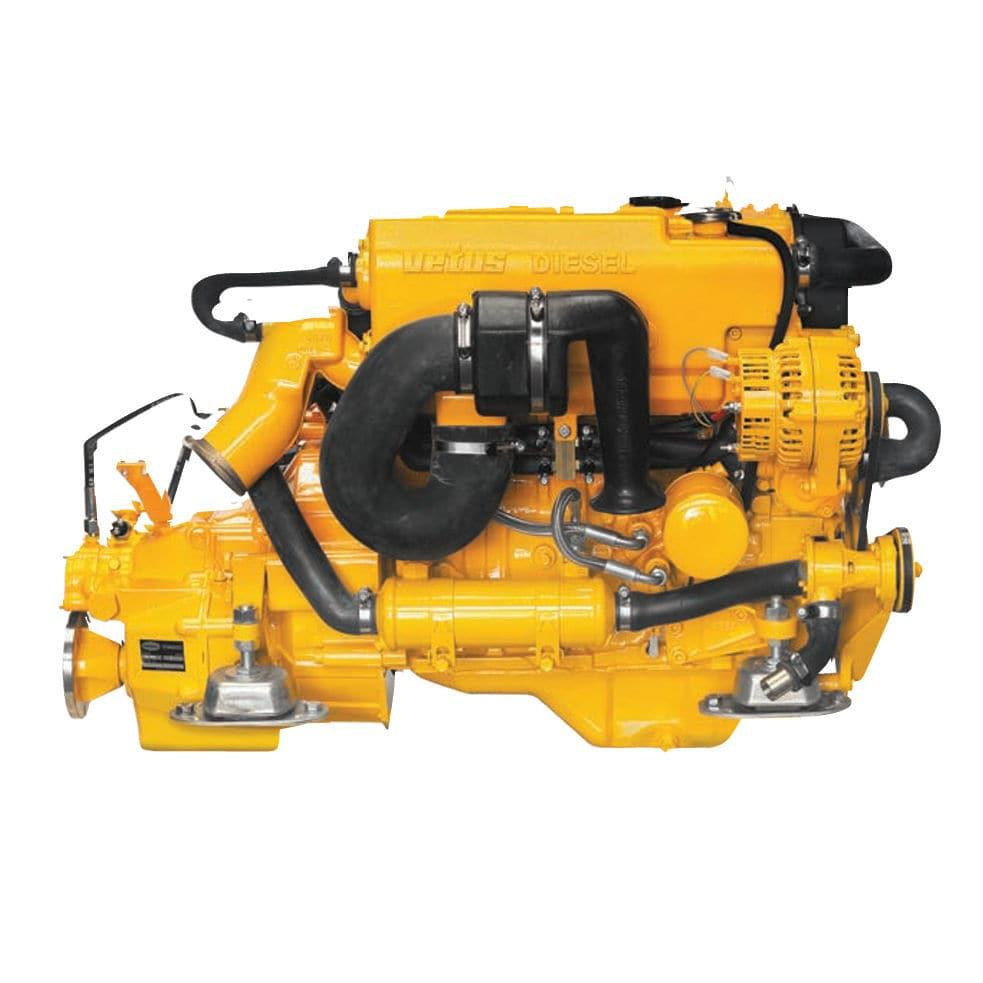
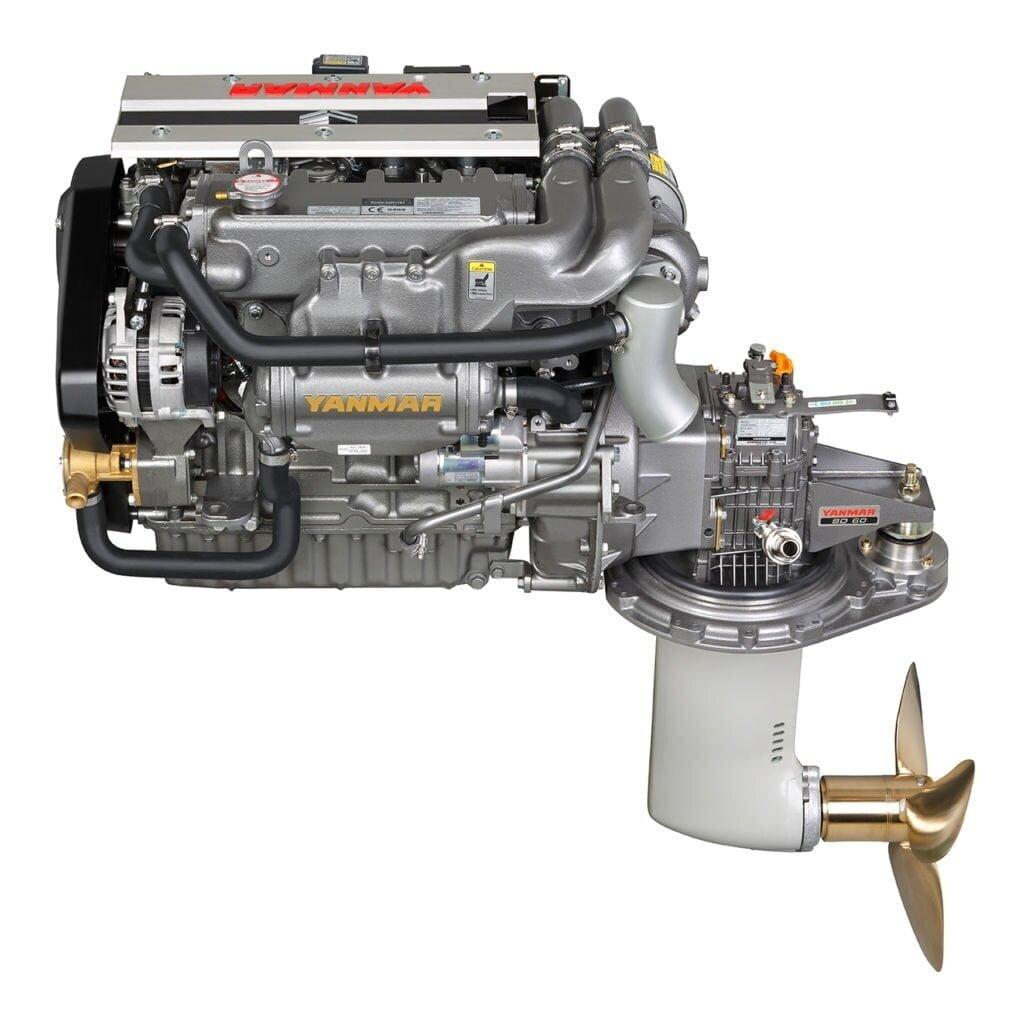
Choosing the right engine is one of the most important decisions when buying, repowering, or maintaining a boat. A reliable marine engine provides the power needed for cruising, commercial operations, fishing, transportation, and other marine activities. Among the most popular propulsion systems are inboard engines, which are designed to be installed inside the hull of a vessel and connected to a transmission and propeller system.

If you are searching for inboard engines for sale, it is important to understand engine specifications, horsepower requirements, fuel type, installation requirements, reliability, operating costs, and compatibility with your boat.

At Buchi Trading Boat Engines, we help customers find suitable marine engines for different types of boats and applications. Whether you need a compact diesel engine for a small vessel or a high-performance engine for a commercial or recreational boat, selecting the correct specification is essential.

What Is an Inboard Engine?

An inboard engine is a marine propulsion engine installed inside the boat rather than mounted externally on the transom. The engine transfers power through a transmission, shaft, and propeller, or through another compatible propulsion system.

Inboard engines are commonly used in:

  • Fishing boats
  • Commercial vessels
  • Workboats
  • Passenger boats
  • Pleasure boats
  • Cruising boats
  • Yachts
  • Trawlers
  • Utility vessels
  • High-performance marine applications

Unlike an outboard engine, an inboard engine remains inside the vessel, which can provide better weight distribution and a clean transom design.

Why Choose an Inboard Marine Engine?

There are several reasons boat owners and commercial operators choose inboard propulsion.

1. Excellent Durability

Many marine diesel engines are designed for continuous operation under demanding conditions. With proper maintenance, a quality inboard engine can provide dependable service for many years.

2. High Torque

Diesel inboard engines are particularly popular because they produce strong low-end torque. This is useful for larger vessels, heavy loads, fishing operations, and commercial applications.

3. Suitable for Larger Boats

Inboard engines are commonly used in vessels where substantial propulsion power is required. Larger engines can provide the horsepower and torque necessary to move heavier boats efficiently.

4. Better Weight Distribution

Because the engine is installed within the hull, engineers can position the engine and associated equipment to achieve an appropriate weight balance.

5. Wide Range of Applications

There are inboard engines available for small recreational vessels as well as large commercial boats. The appropriate engine depends on the vessel’s size, weight, hull design, intended speed, and operating conditions.

Diesel vs. Gasoline Inboard Engines

One of the first decisions when selecting an inboard engine is whether to choose diesel or gasoline.

Diesel Inboard Engines

Diesel engines are widely used for commercial and heavy-duty marine applications. Their major advantages include high torque, durability, and suitability for extended operation.

Diesel engines are commonly preferred for:

  • Fishing vessels
  • Workboats
  • Passenger vessels
  • Commercial boats
  • Long-distance cruising
  • Heavy-duty marine operations

Gasoline Inboard Engines

Gasoline engines can provide strong performance and quick acceleration. They are commonly found in recreational boats and applications where performance and lighter engine weight are important considerations.

When choosing between diesel and gasoline, consider fuel availability, vessel usage, maintenance requirements, operating hours, performance requirements, and total ownership cost.

Popular Inboard Engine Options

The marine engine market includes many manufacturers and engine families. Depending on your application, you may encounter engines from manufacturers such as Cummins, Nanni, Yanmar, Volvo Penta, Caterpillar, John Deere, Mitsubishi, and other established marine power manufacturers.

Some engine families are particularly attractive to buyers looking for dependable diesel propulsion.

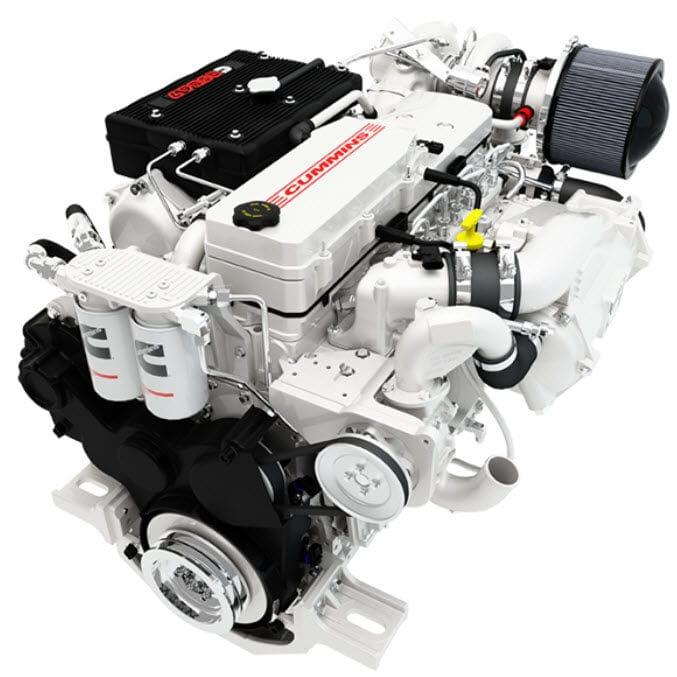
Cummins QSB4.5

The QSB4.5 is a compact diesel engine platform that can be suitable for various marine applications depending on the specific marine configuration and rating.

Cummins QSB6.7

The QSB6.7 is a larger displacement diesel platform commonly considered for marine propulsion applications requiring greater power.

Cummins QSB7

The QSB7 is another option for applications requiring substantial diesel power and torque. The exact marine rating depends on the configuration and intended duty cycle.

Nanni 3.110HE

The Nanni 3.110HE is a marine diesel engine option for vessels requiring dependable propulsion in an appropriate power range.

When purchasing any of these engines, buyers should confirm the exact engine model, marine rating, configuration, transmission, cooling system, control system, and compatibility with their vessel.

How to Choose the Right Inboard Engine

Buying an engine based only on horsepower can lead to expensive installation problems. The engine should be selected according to the complete requirements of the boat.

1. Determine Required Horsepower

Start by determining how much power your vessel requires. Factors include:

  • Boat length
  • Boat weight
  • Hull design
  • Desired cruising speed
  • Maximum speed
  • Number of passengers
  • Cargo capacity
  • Propeller size
  • Gear ratio
  • Operating environment

A qualified marine technician or naval engineer can help determine the appropriate power requirement.

2. Check Engine Dimensions

Before purchasing an inboard engine, measure the available engine compartment.

Check:

  • Overall length
  • Overall width
  • Overall height
  • Engine mounting points
  • Service clearance
  • Exhaust location
  • Cooling connections
  • Transmission dimensions

An engine that produces the correct horsepower may still be unsuitable if it cannot physically fit the engine compartment.

3. Consider the Transmission

The transmission is an important part of the propulsion system. The engine and gearbox must be compatible with the vessel’s propeller shaft, gear ratio, mounting arrangement, and intended application.

If you are purchasing an engine package, ask whether the transmission is included.

4. Check the Cooling System

Marine engines require appropriate cooling arrangements. Depending on the engine design, this may involve a heat exchanger, raw-water circuit, closed cooling system, or other marine-specific arrangement.

Never assume that an automotive engine can simply be installed in a boat without the appropriate marine conversion and components.

5. Check the Electrical System

The engine must work with the boat’s electrical and control systems. Confirm requirements for:

  • Starter motor
  • Alternator
  • ECU
  • Engine control module
  • Sensors
  • Wiring harness
  • Instrument panel
  • Battery system

For electronic engines, compatibility between the engine electronics and vessel controls is particularly important.

New vs. Used Inboard Engines

Buyers searching for inboard engines for sale often have to choose between new and used engines.

New Inboard Engines

New engines generally provide the advantage of modern technology, lower initial uncertainty, and manufacturer support where available. They may be ideal for commercial operators who need maximum reliability and predictable service.

Used Inboard Engines

Used engines can offer significant savings, especially when sourced from reputable suppliers.

However, buyers should inspect:

  • Engine hours
  • Compression condition
  • Oil condition
  • Coolant condition
  • Turbocharger condition
  • Injectors
  • Fuel system
  • Cooling system
  • Crankcase condition
  • Transmission
  • ECU and wiring
  • Signs of overheating
  • Corrosion
  • Maintenance history

A professional inspection is strongly recommended before purchasing a used marine engine.

Inboard Engine Maintenance

Proper maintenance can significantly improve engine reliability and service life.

A typical maintenance program may include:

  • Regular engine oil changes
  • Oil filter replacement
  • Fuel filter replacement
  • Air filter inspection
  • Cooling-system inspection
  • Belt inspection
  • Battery maintenance
  • Exhaust-system inspection
  • Raw-water pump inspection
  • Hose inspection
  • Transmission-fluid checks
  • Propeller shaft inspection

Always follow the manufacturer’s service requirements for the specific engine.

Inboard Engines for Commercial Boats

Commercial boat operators depend heavily on engine reliability. Downtime can result in lost income, delayed deliveries, or interrupted fishing and transportation operations.

For commercial applications, buyers should pay particular attention to the engine’s duty rating.

An engine designed for recreational intermittent use may not be appropriate for continuous commercial operation. Selecting an engine with the correct rating can help prevent premature wear and excessive maintenance costs.

Inboard Engines for Fishing Boats

Fishing boats often operate under demanding conditions. They may spend long periods at sea, carry heavy equipment, and operate at relatively low or moderate speeds.

Diesel inboard engines are therefore a popular choice because of their torque and suitability for extended operation.

When selecting an engine for a fishing boat, consider fuel economy, torque, serviceability, spare-parts availability, engine weight, cooling requirements, and local technical support.

Buying Inboard Engines Internationally

International buyers should consider more than the engine price.

The total purchase cost may include:

  • Engine price
  • Transmission
  • Accessories
  • Packaging
  • Crating
  • Inland transportation
  • Export documentation
  • Shipping
  • Marine insurance
  • Import duties
  • Destination charges

Before placing an international order, confirm the engine’s exact specifications and shipping dimensions.

What Information Should You Provide When Requesting an Engine?

To help a supplier identify a suitable engine, provide as much information as possible about your vessel.

Useful information includes:

Boat type: Fishing, yacht, passenger, workboat, etc.

Boat length: Overall vessel length.

Boat weight: Approximate operating weight.

Required horsepower: If already known.

Current engine: Manufacturer and model.

Transmission: Existing gearbox information.

Propulsion system: Shaft, stern drive, or other system.

Fuel type: Diesel or gasoline.

Application: Recreational, commercial, fishing, transportation, etc.

Location: Destination country and port.

Providing these details can make the engine-selection process much easier.

Why Buy From a Specialized Marine Engine Supplier?

A specialized marine engine supplier can help customers identify engines based on actual marine requirements rather than simply matching an automotive engine by horsepower.

Before purchasing, ask the supplier for:

  • Engine model
  • Serial number where applicable
  • Horsepower rating
  • RPM rating
  • Engine dimensions
  • Dry weight
  • Transmission details
  • Engine photographs
  • Running video where available
  • Condition report
  • Warranty information
  • Shipping information

These details help buyers make a more informed purchasing decision.

Frequently Asked Questions

Are inboard engines better than outboard engines?

Neither system is universally better. The best choice depends on the boat, application, required horsepower, maintenance preferences, available installation space, and operating conditions.

Are diesel inboard engines reliable?

Quality marine diesel engines can be highly reliable when correctly installed, operated, and maintained. Service intervals and operating conditions are important factors.

Can an automotive engine be used as an inboard marine engine?

An automotive engine should not simply be installed in a boat without considering marine-specific requirements. Marine applications can require appropriate cooling, exhaust, electrical, corrosion protection, ignition safety, and other components.

What horsepower inboard engine do I need?

The required horsepower depends on the vessel’s size, weight, hull design, propeller, desired speed, and operating conditions. A marine professional should determine the appropriate rating.

Can I buy an inboard engine internationally?

Yes. Marine engines can be purchased and shipped internationally, but buyers should verify export documentation, packaging, shipping arrangements, import requirements, and compatibility before completing the transaction.

Conclusion

Finding the right inboard engine for sale requires more than choosing the engine with the highest horsepower. The correct engine should match your boat’s dimensions, weight, hull design, propulsion system, operating conditions, fuel requirements, and intended application.

Whether you need an engine for a fishing boat, yacht, commercial vessel, passenger boat, workboat, or recreational vessel, careful selection can help improve performance, reliability, fuel efficiency, and long-term operating costs.

At Buchi Trading Boat Engines, customers can discuss their marine engine requirements and identify suitable options based on vessel type, horsepower, engine model, application, and destination. Before purchasing, always confirm the exact specifications, engine condition, compatibility, warranty, and shipping details.

If you are looking for inboard engines for sale, selecting the right engine package today can make a major difference to your boat’s performance and reliability for years to come.

Posted on Leave a comment

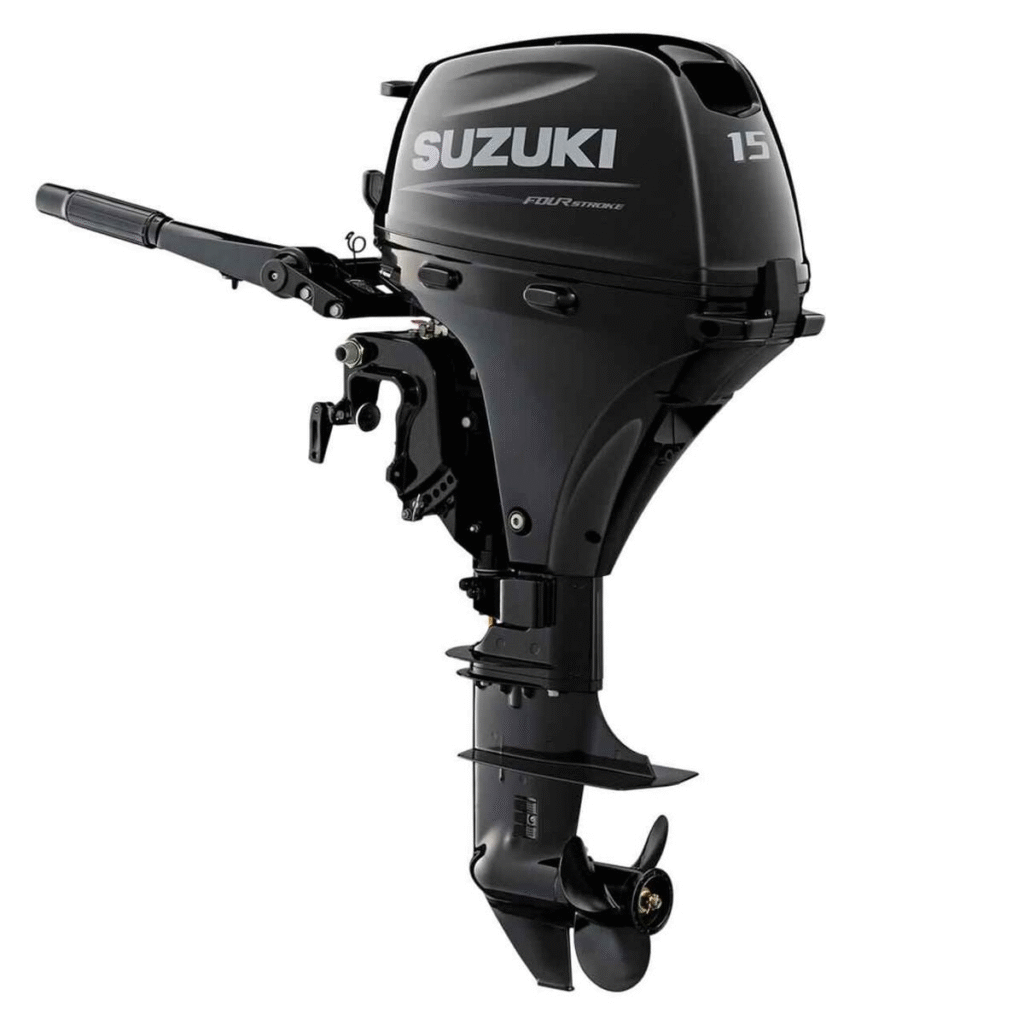
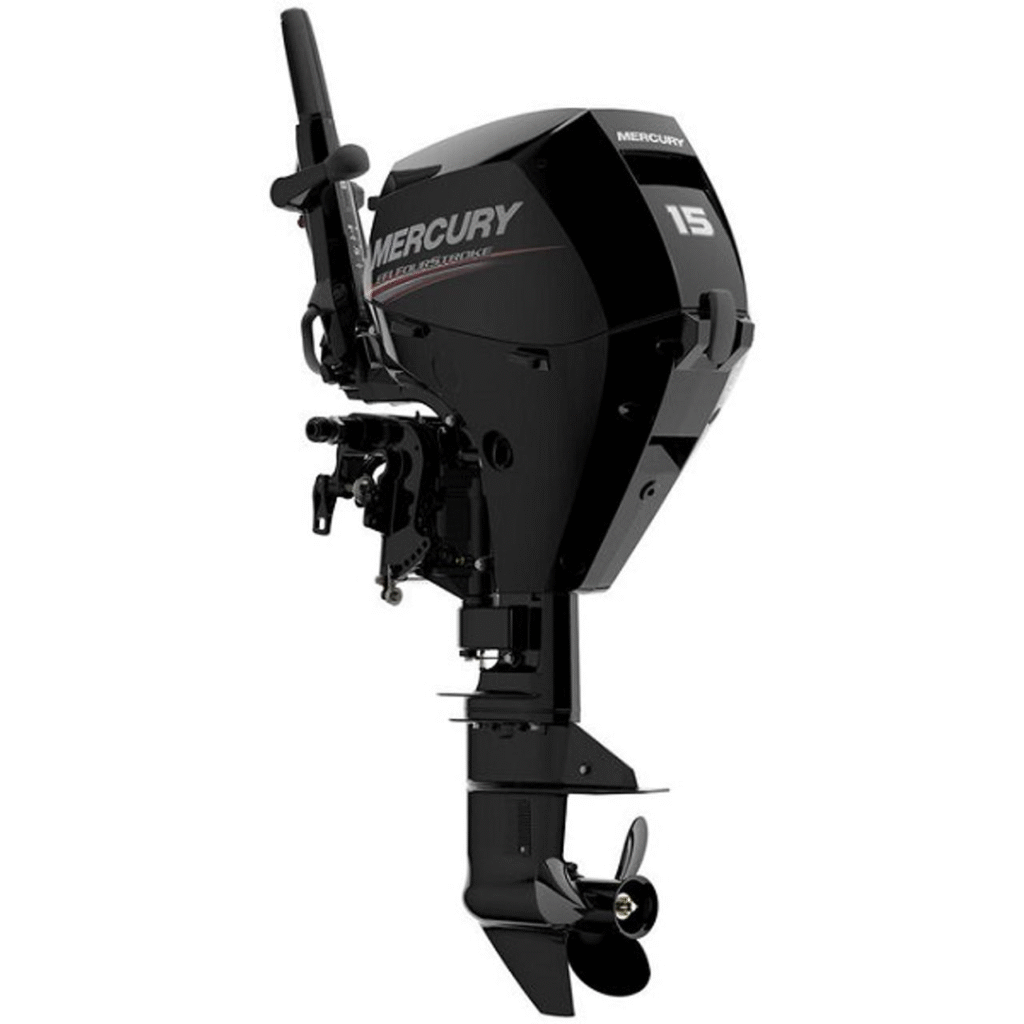
15HP Outboard Engine for Sale

If you are looking for a dependable 15HP outboard engine for fishing, transportation, leisure boating, a tender, inflatable boat, skiff, dinghy or small commercial vessel, choosing the right engine is about more than simply looking at the horsepower rating. You need an outboard that matches your boat, operating conditions, load, shaft length, fuel requirements and intended use.

At Buchi Trading Boat Engines, we understand that customers in the USA, Canada, Australia, Europe, Asia, the Caribbean, the Philippines, Oceania, Jamaica and Africa have different boating requirements. A fisherman operating on a lake may need something different from a commercial operator working along the coast, while a family using an inflatable tender may prioritize portability and easy starting.

A 15 HP outboard motor sits in a particularly useful category because it provides a practical balance between power, portability, operating cost and versatility. Industry buying guides also identify the 15 HP class as a popular choice for smaller boats and inflatables.

What Is a 15HP Outboard Engine?

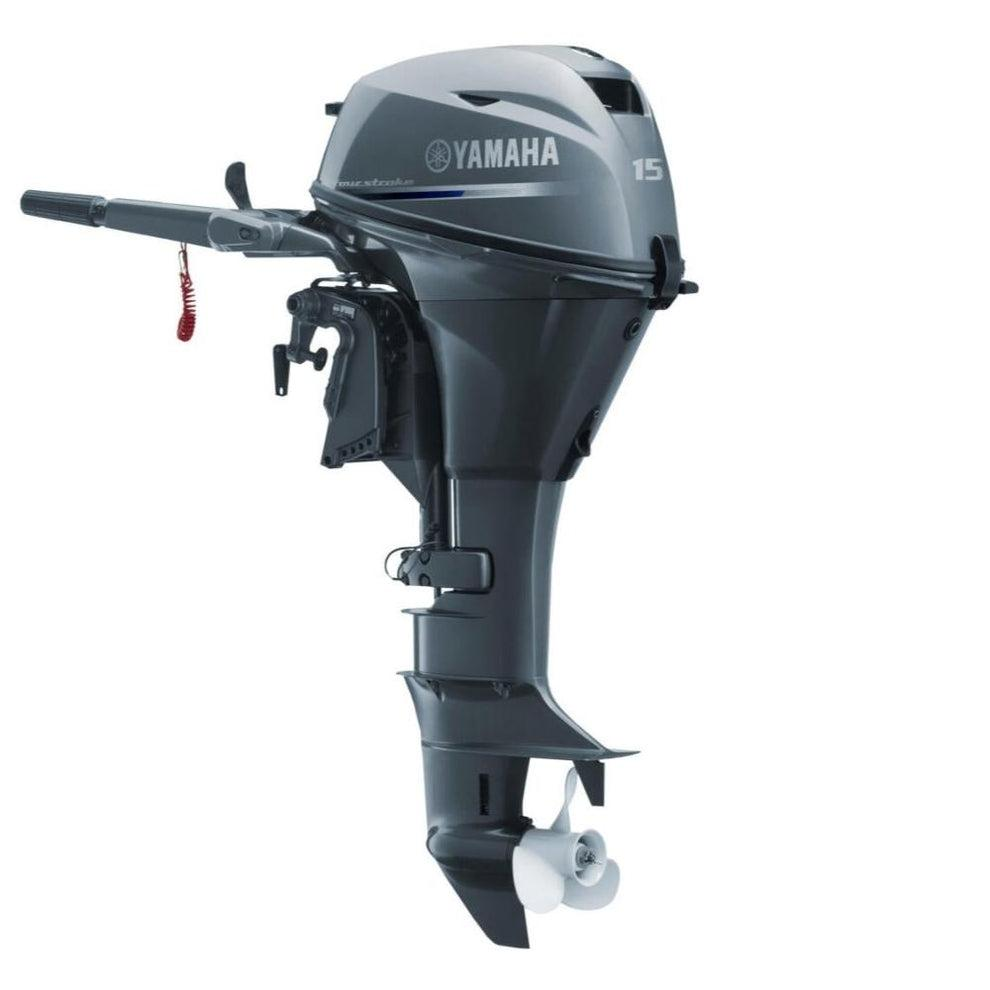
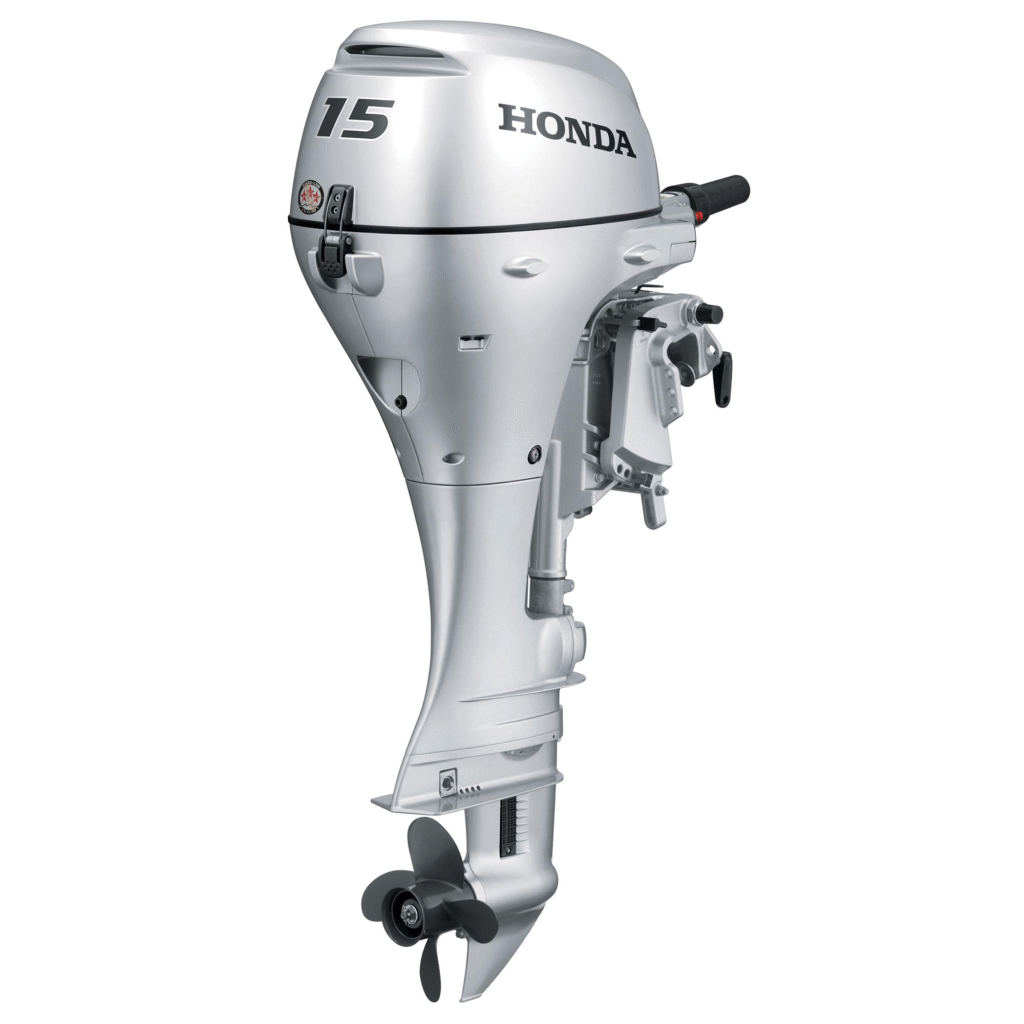
A 15HP outboard engine is a compact marine propulsion system capable of producing approximately 15 horsepower. It is designed to be mounted directly on the transom of a boat, combining the engine, gearbox, propeller and steering system into one propulsion unit.

Modern 15 horsepower outboards are available in different configurations, including manual-start and electric-start versions, tiller steering and remote-control arrangements, and short- and long-shaft configurations.

For example, Honda’s BF15 specification lists a 350 cc two-cylinder four-stroke engine, while Tohatsu’s MFS15E uses a 333 cc two-cylinder four-stroke configuration. These examples demonstrate why buyers should compare the exact manufacturer’s specifications rather than assuming every 15 HP engine is identical.

Why Choose a 15HP Outboard Motor?

For many boat owners, 15 horsepower is an attractive middle ground.

A smaller engine may struggle when the boat is heavily loaded, while a significantly larger engine may add unnecessary weight, fuel consumption and purchase cost. A properly matched 15HP boat motor can provide useful propulsion for fishing boats, dinghies, skiffs, tenders and other small vessels.

The important point is boat compatibility. Always check your boat manufacturer’s maximum horsepower rating before purchasing an outboard. Exceeding the permitted horsepower can create safety, handling and compliance problems.

Who Should Buy a 15HP Outboard?

A 15HP outboard motor may be suitable for:

  • Recreational boat owners
  • Fishing enthusiasts
  • Small commercial fishing operations
  • Inflatable boat owners
  • Jon boat users
  • Dinghy owners
  • Tender boats
  • Small aluminum boats
  • Lake and river users
  • Coastal operators
  • Island transportation
  • Emergency or backup propulsion
  • Small tourism and rental operations

For customers in Jamaica, the Caribbean, Africa and the Philippines, where small boats can be important for fishing, transportation and coastal activities, selecting a dependable propulsion system is particularly important.

15HP Outboard Engine Applications

A quality 15 HP outboard motor can be used for numerous boating activities.

Fishing

Fishing is one of the most common applications. A dependable engine can provide enough propulsion for moving between fishing locations while maintaining manageable operating costs.

Small Boat Transportation

In coastal and island communities, small boats can serve as practical transportation. A 15HP engine can be considered where the vessel is appropriately rated and loaded.

Recreational Boating

For family outings, exploring waterways or enjoying a day on the lake, a 15 horsepower outboard provides a useful combination of maneuverability and propulsion.

Inflatable Boats

Many inflatable boats are designed around relatively small outboards. However, always confirm the manufacturer’s maximum horsepower rating before installation.

Four-Stroke vs Two-Stroke 15HP Outboard

One of the most important buying decisions is whether to select a four-stroke outboard engine or a two-stroke design.

Four-stroke technology is widely used in modern portable outboards. It is generally valued for fuel efficiency, quiet operation and emissions characteristics. Modern examples from Honda and Tohatsu demonstrate the popularity of four-stroke 15 HP configurations.

Two-stroke engines can have advantages in certain applications, particularly where simplicity and weight are priorities, but availability, emissions requirements and local regulations should be considered.

For international buyers, always check the regulations applicable in your country before importing or operating an outboard.

Important 15HP Outboard Specifications

Before purchasing, pay attention to more than horsepower.

Important specifications include:

  • Horsepower
  • Engine displacement
  • Number of cylinders
  • Four-stroke or two-stroke design
  • Starting system
  • Shaft length
  • Gear ratio
  • Propeller specifications
  • Fuel system
  • Cooling system
  • Engine weight
  • Alternator output
  • Steering configuration
  • Gear selection
  • Warranty
  • Spare-parts availability

For example, Tohatsu lists its 15 HP MFS15E with a 2.15:1 gear ratio, 15- and 20-inch shaft options, forward-neutral-reverse shifting and a stated weight of 43 kg for its lightest version.

Honda’s BF15 specifications similarly show 15- and 20-inch shaft options, while certain configurations are available with electric or recoil starting.

Choosing the Correct Shaft Length

Getting the shaft length right is critical.

A short shaft outboard is commonly associated with approximately 15-inch transoms, while a long shaft outboard is commonly associated with approximately 20-inch transoms. Some engines are also available in other configurations.

The wrong shaft length can negatively affect propeller immersion and engine performance.

Before ordering, measure your boat’s transom and compare the measurement with the manufacturer’s recommended shaft configuration.

Fuel Economy and Operating Costs

The purchase price is only one part of the total cost of ownership.

A buyer should consider:

  • Fuel consumption
  • Engine oil
  • Gear oil
  • Spark plugs
  • Water-pump maintenance
  • Filters where applicable
  • Propeller replacement
  • Service intervals
  • Spare parts
  • Transportation and import costs

A properly matched engine is usually a better investment than simply choosing the biggest engine available.

Performance Depends on the Boat

How fast a 15HP outboard will move a boat cannot be determined from horsepower alone.

Boat weight, hull design, passenger load, propeller selection, trim, water conditions and weather all influence performance. A lightweight planing boat can behave very differently from a heavily loaded displacement hull.

Therefore, be cautious of sellers who promise one exact speed for every 15HP engine.

Maintenance and Long-Term Reliability

Even the best 15HP outboard engine requires proper maintenance.

Owners should follow the manufacturer’s service schedule and pay particular attention to engine oil, gear oil, cooling-water flow, fuel quality, propeller condition and corrosion protection.

If the engine will be used in salt water, rinsing and corrosion-control procedures are especially important.

Regular maintenance can help identify small problems before they become expensive failures.

Buying a 15HP Outboard Engine Internationally

International buyers should consider more than the advertised engine price.

Before purchasing, ask about:

Engine condition: Is it new, used, refurbished or reconditioned?

Year: What is the manufacturing or model year?

Configuration: Is it tiller or remote control? Manual or electric start?

Shaft: Is it short shaft or long shaft?

Documentation: Are serial numbers, manuals and relevant documents available?

Packaging: How will the engine be protected during international transportation?

Spare parts: Are replacement parts readily available?

Warranty: What warranty terms apply?

Shipping: What are the shipping options to your destination?

These questions are particularly important when purchasing internationally from regions such as Africa, Asia, the Caribbean, Oceania and the Pacific Islands.

Why Consider Buchi Trading Boat Engines?

At Buchi Trading Boat Engines, the goal is not simply to sell an engine. The objective is to help customers identify a marine power solution that fits their actual requirements.

Whether you are a fisherman in Africa, a boat owner in the Caribbean, a recreational boater in the United States, a commercial operator in Canada, a customer in the Philippines, or a marine enthusiast in Australia or Europe, the purchasing process should be clear and professional.

Before placing an order, provide details such as your boat type, boat length, transom height, maximum rated horsepower, intended application, preferred starting system and destination country. This information makes it easier to identify a suitable configuration.

Frequently Asked Questions

Is a 15HP outboard good for fishing?

Yes, a properly matched 15HP engine can be a practical choice for many small fishing boats. Boat capacity, weight and hull design should always be considered.

Is a 15HP outboard suitable for an inflatable boat?

It can be, provided the inflatable manufacturer’s specifications permit a 15HP engine. Never exceed the vessel’s maximum horsepower rating.

Should I choose a four-stroke 15HP outboard?

For many modern recreational and fishing applications, a four-stroke is an attractive choice because of its operating characteristics and widespread availability.

What shaft length do I need?

This depends on your boat’s transom. Common configurations include approximately 15-inch and 20-inch shaft lengths, but you should measure your boat before ordering.

Can I buy a 15HP outboard for international shipping?

Yes, marine engines are commonly purchased internationally, but shipping, import requirements, taxes, documentation and local regulations vary by destination.

Conclusion

A 15HP outboard engine can be an excellent choice when you need a practical combination of power, portability and versatility. It can serve fishing boats, dinghies, skiffs, tenders, inflatables and other appropriately rated small vessels.

However, the best engine is not necessarily the cheapest or the most powerful. The right choice is the engine that matches your boat, load, shaft length, operating environment and intended application.

For buyers across the USA, Canada, Australia, Europe, Asia, Africa, the Caribbean, Jamaica, the Philippines and Oceania, take time to verify the specifications before purchasing.

If you are considering a 15HP outboard motor for sale, contact at Buchi Trading Boat Engines with your boat specifications and destination. A well-matched marine engine can make the difference between simply owning an outboard and having a dependable power solution for years of boating.