Choosing the right engine is one of the most important decisions when buying, repowering, or maintaining a boat. A reliable marine engine provides the power needed for cruising, commercial operations, fishing, transportation, and other marine activities. Among the most popular propulsion systems are inboard engines, which are designed to be installed inside the hull of a vessel and connected to a transmission and propeller system.
If you are searching for inboard engines for sale, it is important to understand engine specifications, horsepower requirements, fuel type, installation requirements, reliability, operating costs, and compatibility with your boat.
At Buchi Trading Boat Engines, we help customers find suitable marine engines for different types of boats and applications. Whether you need a compact diesel engine for a small vessel or a high-performance engine for a commercial or recreational boat, selecting the correct specification is essential.
What Is an Inboard Engine?
An inboard engine is a marine propulsion engine installed inside the boat rather than mounted externally on the transom. The engine transfers power through a transmission, shaft, and propeller, or through another compatible propulsion system.
Inboard engines are commonly used in:
- Fishing boats
- Commercial vessels
- Workboats
- Passenger boats
- Pleasure boats
- Cruising boats
- Yachts
- Trawlers
- Utility vessels
- High-performance marine applications
Unlike an outboard engine, an inboard engine remains inside the vessel, which can provide better weight distribution and a clean transom design.
Why Choose an Inboard Marine Engine?
There are several reasons boat owners and commercial operators choose inboard propulsion.
1. Excellent Durability
Many marine diesel engines are designed for continuous operation under demanding conditions. With proper maintenance, a quality inboard engine can provide dependable service for many years.
2. High Torque
Diesel inboard engines are particularly popular because they produce strong low-end torque. This is useful for larger vessels, heavy loads, fishing operations, and commercial applications.
3. Suitable for Larger Boats
Inboard engines are commonly used in vessels where substantial propulsion power is required. Larger engines can provide the horsepower and torque necessary to move heavier boats efficiently.
4. Better Weight Distribution
Because the engine is installed within the hull, engineers can position the engine and associated equipment to achieve an appropriate weight balance.
5. Wide Range of Applications
There are inboard engines available for small recreational vessels as well as large commercial boats. The appropriate engine depends on the vessel’s size, weight, hull design, intended speed, and operating conditions.
Diesel vs. Gasoline Inboard Engines
One of the first decisions when selecting an inboard engine is whether to choose diesel or gasoline.
Diesel Inboard Engines
Diesel engines are widely used for commercial and heavy-duty marine applications. Their major advantages include high torque, durability, and suitability for extended operation.
Diesel engines are commonly preferred for:
- Fishing vessels
- Workboats
- Passenger vessels
- Commercial boats
- Long-distance cruising
- Heavy-duty marine operations
Gasoline Inboard Engines
Gasoline engines can provide strong performance and quick acceleration. They are commonly found in recreational boats and applications where performance and lighter engine weight are important considerations.
When choosing between diesel and gasoline, consider fuel availability, vessel usage, maintenance requirements, operating hours, performance requirements, and total ownership cost.
Popular Inboard Engine Options
The marine engine market includes many manufacturers and engine families. Depending on your application, you may encounter engines from manufacturers such as Cummins, Nanni, Yanmar, Volvo Penta, Caterpillar, John Deere, Mitsubishi, and other established marine power manufacturers.
Some engine families are particularly attractive to buyers looking for dependable diesel propulsion.
Cummins QSB4.5
The QSB4.5 is a compact diesel engine platform that can be suitable for various marine applications depending on the specific marine configuration and rating.
Cummins QSB6.7
The QSB6.7 is a larger displacement diesel platform commonly considered for marine propulsion applications requiring greater power.
Cummins QSB7
The QSB7 is another option for applications requiring substantial diesel power and torque. The exact marine rating depends on the configuration and intended duty cycle.
Nanni 3.110HE
The Nanni 3.110HE is a marine diesel engine option for vessels requiring dependable propulsion in an appropriate power range.
When purchasing any of these engines, buyers should confirm the exact engine model, marine rating, configuration, transmission, cooling system, control system, and compatibility with their vessel.
How to Choose the Right Inboard Engine
Buying an engine based only on horsepower can lead to expensive installation problems. The engine should be selected according to the complete requirements of the boat.
1. Determine Required Horsepower
Start by determining how much power your vessel requires. Factors include:
- Boat length
- Boat weight
- Hull design
- Desired cruising speed
- Maximum speed
- Number of passengers
- Cargo capacity
- Propeller size
- Gear ratio
- Operating environment
A qualified marine technician or naval engineer can help determine the appropriate power requirement.
2. Check Engine Dimensions
Before purchasing an inboard engine, measure the available engine compartment.
Check:
- Overall length
- Overall width
- Overall height
- Engine mounting points
- Service clearance
- Exhaust location
- Cooling connections
- Transmission dimensions
An engine that produces the correct horsepower may still be unsuitable if it cannot physically fit the engine compartment.
3. Consider the Transmission
The transmission is an important part of the propulsion system. The engine and gearbox must be compatible with the vessel’s propeller shaft, gear ratio, mounting arrangement, and intended application.
If you are purchasing an engine package, ask whether the transmission is included.
4. Check the Cooling System
Marine engines require appropriate cooling arrangements. Depending on the engine design, this may involve a heat exchanger, raw-water circuit, closed cooling system, or other marine-specific arrangement.
Never assume that an automotive engine can simply be installed in a boat without the appropriate marine conversion and components.
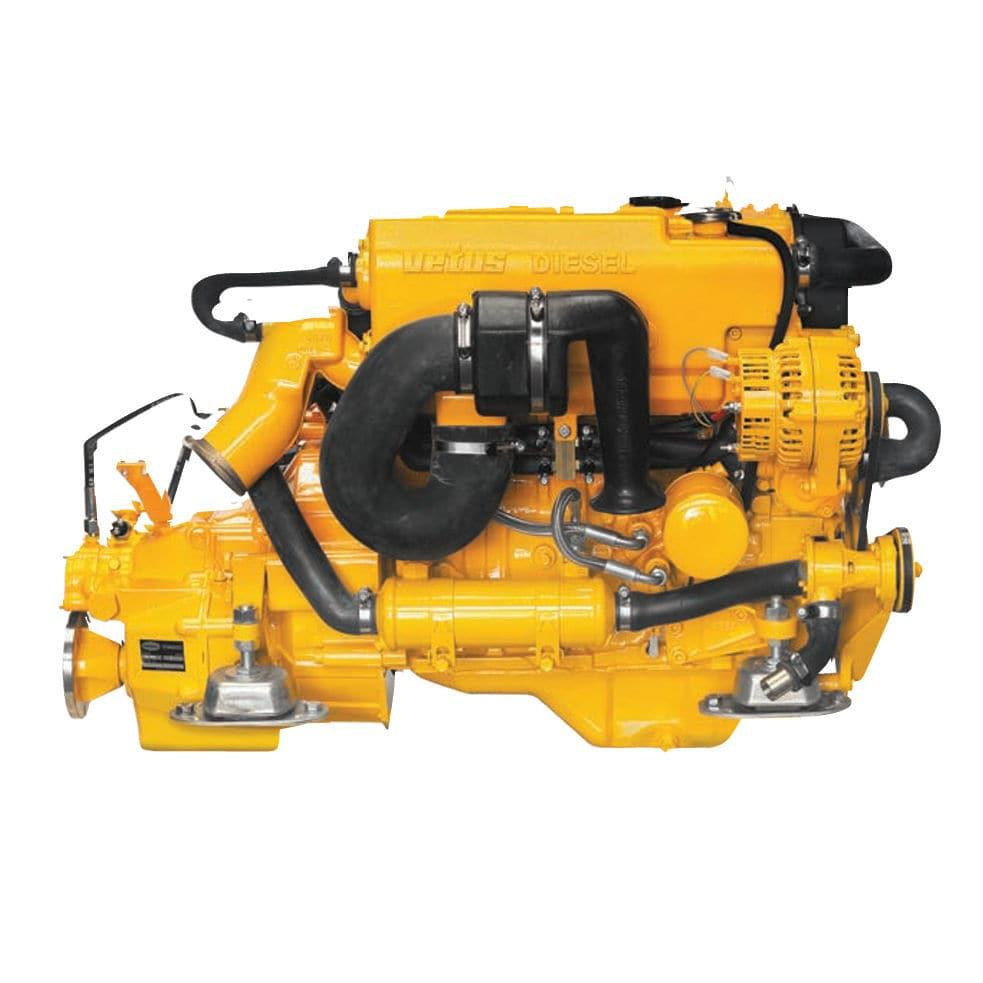
5. Check the Electrical System
The engine must work with the boat’s electrical and control systems. Confirm requirements for:
- Starter motor
- Alternator
- ECU
- Engine control module
- Sensors
- Wiring harness
- Instrument panel
- Battery system
For electronic engines, compatibility between the engine electronics and vessel controls is particularly important.
New vs. Used Inboard Engines
Buyers searching for inboard engines for sale often have to choose between new and used engines.
New Inboard Engines
New engines generally provide the advantage of modern technology, lower initial uncertainty, and manufacturer support where available. They may be ideal for commercial operators who need maximum reliability and predictable service.
Used Inboard Engines
Used engines can offer significant savings, especially when sourced from reputable suppliers.
However, buyers should inspect:
- Engine hours
- Compression condition
- Oil condition
- Coolant condition
- Turbocharger condition
- Injectors
- Fuel system
- Cooling system
- Crankcase condition
- Transmission
- ECU and wiring
- Signs of overheating
- Corrosion
- Maintenance history
A professional inspection is strongly recommended before purchasing a used marine engine.
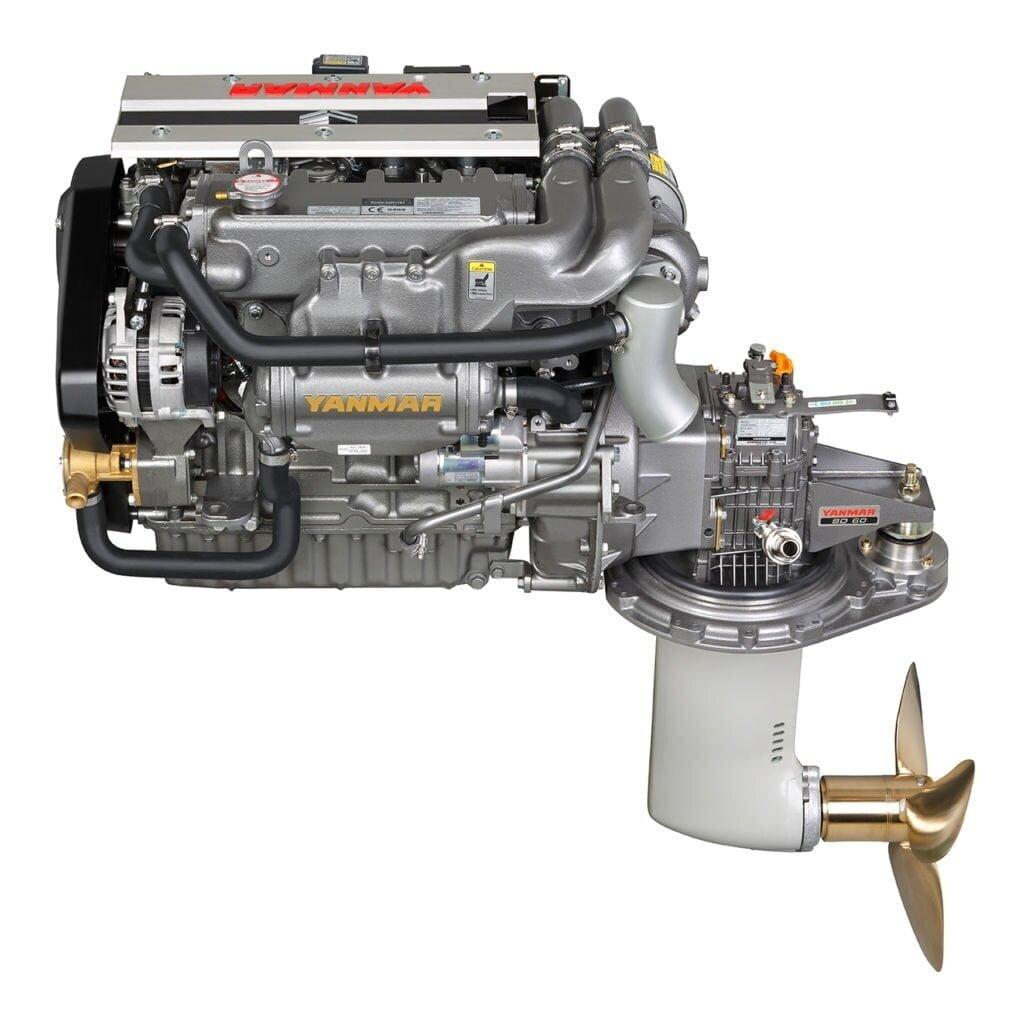
Inboard Engine Maintenance
Proper maintenance can significantly improve engine reliability and service life.
A typical maintenance program may include:
- Regular engine oil changes
- Oil filter replacement
- Fuel filter replacement
- Air filter inspection
- Cooling-system inspection
- Belt inspection
- Battery maintenance
- Exhaust-system inspection
- Raw-water pump inspection
- Hose inspection
- Transmission-fluid checks
- Propeller shaft inspection
Always follow the manufacturer’s service requirements for the specific engine.
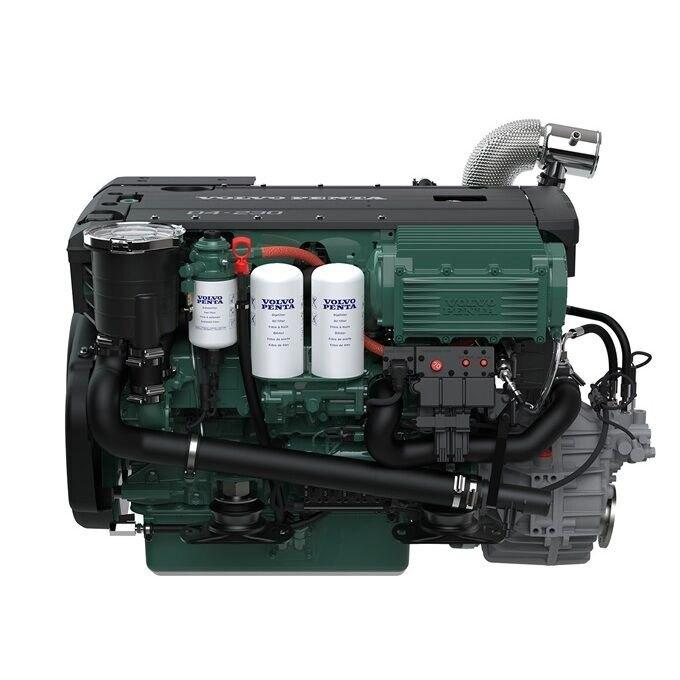
Inboard Engines for Commercial Boats
Commercial boat operators depend heavily on engine reliability. Downtime can result in lost income, delayed deliveries, or interrupted fishing and transportation operations.
For commercial applications, buyers should pay particular attention to the engine’s duty rating.
An engine designed for recreational intermittent use may not be appropriate for continuous commercial operation. Selecting an engine with the correct rating can help prevent premature wear and excessive maintenance costs.
Inboard Engines for Fishing Boats
Fishing boats often operate under demanding conditions. They may spend long periods at sea, carry heavy equipment, and operate at relatively low or moderate speeds.
Diesel inboard engines are therefore a popular choice because of their torque and suitability for extended operation.
When selecting an engine for a fishing boat, consider fuel economy, torque, serviceability, spare-parts availability, engine weight, cooling requirements, and local technical support.
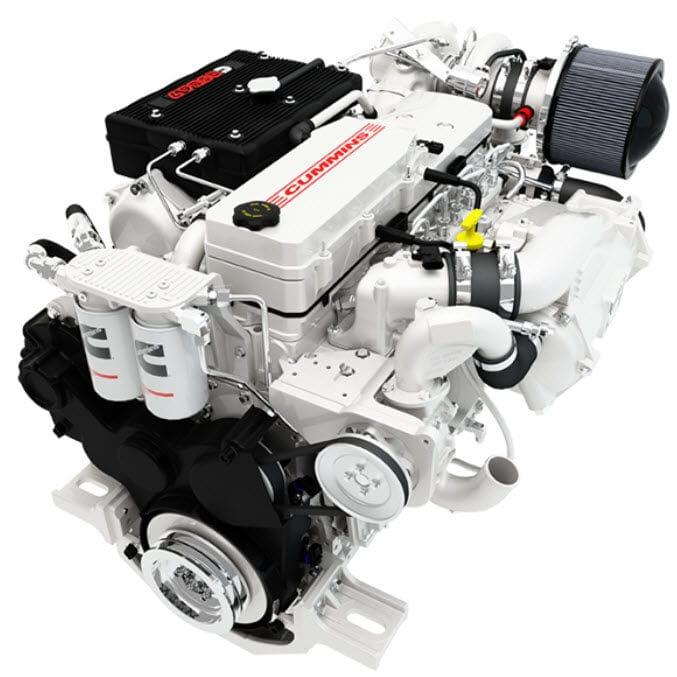
Buying Inboard Engines Internationally
International buyers should consider more than the engine price.
The total purchase cost may include:
- Engine price
- Transmission
- Accessories
- Packaging
- Crating
- Inland transportation
- Export documentation
- Shipping
- Marine insurance
- Import duties
- Destination charges
Before placing an international order, confirm the engine’s exact specifications and shipping dimensions.
What Information Should You Provide When Requesting an Engine?
To help a supplier identify a suitable engine, provide as much information as possible about your vessel.
Useful information includes:
Boat type: Fishing, yacht, passenger, workboat, etc.
Boat length: Overall vessel length.
Boat weight: Approximate operating weight.
Required horsepower: If already known.
Current engine: Manufacturer and model.
Transmission: Existing gearbox information.
Propulsion system: Shaft, stern drive, or other system.
Fuel type: Diesel or gasoline.
Application: Recreational, commercial, fishing, transportation, etc.
Location: Destination country and port.
Providing these details can make the engine-selection process much easier.
Why Buy From a Specialized Marine Engine Supplier?
A specialized marine engine supplier can help customers identify engines based on actual marine requirements rather than simply matching an automotive engine by horsepower.
Before purchasing, ask the supplier for:
- Engine model
- Serial number where applicable
- Horsepower rating
- RPM rating
- Engine dimensions
- Dry weight
- Transmission details
- Engine photographs
- Running video where available
- Condition report
- Warranty information
- Shipping information
These details help buyers make a more informed purchasing decision.
Frequently Asked Questions
Are inboard engines better than outboard engines?
Neither system is universally better. The best choice depends on the boat, application, required horsepower, maintenance preferences, available installation space, and operating conditions.
Are diesel inboard engines reliable?
Quality marine diesel engines can be highly reliable when correctly installed, operated, and maintained. Service intervals and operating conditions are important factors.
Can an automotive engine be used as an inboard marine engine?
An automotive engine should not simply be installed in a boat without considering marine-specific requirements. Marine applications can require appropriate cooling, exhaust, electrical, corrosion protection, ignition safety, and other components.
What horsepower inboard engine do I need?
The required horsepower depends on the vessel’s size, weight, hull design, propeller, desired speed, and operating conditions. A marine professional should determine the appropriate rating.
Can I buy an inboard engine internationally?
Yes. Marine engines can be purchased and shipped internationally, but buyers should verify export documentation, packaging, shipping arrangements, import requirements, and compatibility before completing the transaction.
Conclusion
Finding the right inboard engine for sale requires more than choosing the engine with the highest horsepower. The correct engine should match your boat’s dimensions, weight, hull design, propulsion system, operating conditions, fuel requirements, and intended application.
Whether you need an engine for a fishing boat, yacht, commercial vessel, passenger boat, workboat, or recreational vessel, careful selection can help improve performance, reliability, fuel efficiency, and long-term operating costs.
At Buchi Trading Boat Engines, customers can discuss their marine engine requirements and identify suitable options based on vessel type, horsepower, engine model, application, and destination. Before purchasing, always confirm the exact specifications, engine condition, compatibility, warranty, and shipping details.
If you are looking for inboard engines for sale, selecting the right engine package today can make a major difference to your boat’s performance and reliability for years to come.